Research
Rock - Heavy/Hard Rock
- Rock, rock music is a popular genre of music that originated as ''rock and roll'' in the United States in the 1950s, and developed into a range of different styles in the 1960s and later particularly in the United Kingdom and the United States. It has its roots in 1940's and 1950s rock and roll, itself heavily influenced by rhythm and blues and country music. rock music also drew strongly on a number of other genres such as blues and folk, and incorporated influences from jazz, classical and other musical sources. Musically rock has centered on the electric guitar, usually as part of a rock group with electric bass guitar and drums. Lyrics often stress romantic love but also address wide variety of other themes that are frequently social or political in emphasis.
The 1960s saw Elvis Presley continue to score hits in the early part of the decade but the sixties rock music managed to come of age and dominate the popular music charts. rock diversifies with new styles such as soul, surf, folk rock, the British Invasion, psychedelic and hard rock. Television also became a major part force in rock music as networks try to attract a younger audience. Early 70s rock are marked by the deaths of Jimi Hendrix, Janis Joplin and Jim Morrison which saw a huge decline in psychedelic rock music therefore morphing into hard rock, progressive rock and heavy metal. 1980s music became influenced a lot by TV and Technology, MTV [Music Television] was launched on 300 cable TV systems and by 1983, MTV is available on 2,000 cable systems. The prevalance of music videos as a 24/7 marketing tool was influential in bringing numerous new bands into the mainsream, including a resurgence in heavy metal. Alternative rock and it's sub-genres Grunge and Pop Punk expand in popularity and ironically, explode into mainstream during the 1990's. Advancements in computers and software allowed for digital music creation and recording on home computers. The internet saw for the digital distribution of music.

Following the success of radiohead and The Verve in the 90s, Post-Britpop act Coldplay saw major success in European album charts during the decade. British Indie rock and Indie pop returned to popularity in mid-late 2000s with artists such as Arctic Monkeys. Franz Ferdinand, Amy Winehouse, Kate Nash and more.
Heavy Rock -
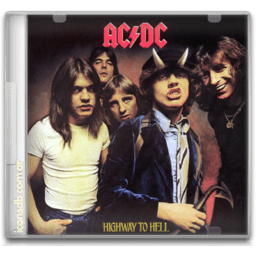
Heavy Rock is a loosely defined sub-genre of rock music which has its earliest roots in mid-1960s garage rock, blues rock and psychedelic rock. It is typified by a heavy use of aggressive vocals, distorted electric guitars, bass guitar, drums, and often accompanied with pianos and keyboards. Hard rock developed into a major form of popular music in the 1970s, with bands such as Led Zeppelin, The Who, Deep Purple, Aerosmith and AC/DC.

Hard rock is a form of loud, aggressive rock music. The electric guitar is often emphasized, used with distortion and other effects, both as a rhythm instrument using repetitive riffs with a varying degree of complexity, and as a solo lead instrument. Drumming characteristically focuses on driving rhythms, strong bass drum and a backbeat on snare, sometimes using cymbals for emphasis. The bass guitar works in conjunction with the drums, occasionally playing riffs, but usually providing a backing for the rhythm and lead guitars. Vocals are often growling, raspy, or involve screaming or wailing, sometimes in a high range, or even falsetto voice.
Data research
British Phonographic Industry - bpi.co.uk
BPI represents the UK's recorded music industry, which is one of the most exciting and thriving music sectors in the world. british artists account for one in eight albums purchased by fans around the globe. The research helps our members, industry, stakeholders, politicians, media and the public understand the UK recorded music market and the key trends influencing it.
Current Most Popular Genres:

As shown by the graph on the right, the Rock genre continued in the top two album sales by genre from 2009 right through 2013, and it's still going heavy. The graph which was taken from the British Phonographic Industry tells us that even though Pop accounted for the top five sellers of 2013 from artists such as One Direction and Emeli Sand, it was still not enough to knock Rock of the leading role in album sales by Genre. New realeases and continued demand for older rock titles saw rock into taking the lead for the first time in 3 years, with 33.8% sales, which is still only a small climb from its leading roles in past years. Rock continues to dominate the charts even now in 2014. As shown by the article from BPI below, while end of year charts (2013) pop releases managed to top the charts, in the coming months of 2014 bands such as Arctic Monkeys, Bastille and Jake Bugg boosted Rock back up to the top of the charts. Rock music generated a third of the UK album sales over a 12 month period making it reach its highest share in five years.

Websites:-
http://www.bpi.co.uk/searchresult/rock-turns-the-table-on-pop.aspx
https://www.bpi.co.uk/assets/files/Sales%20by%20Type_2014.pdf
RAJAR
RAJAR stands for Radio Joint Audience Research and is the official body in change of measuring radio audience in the UK. It is jointly owned by the BBC and the RadioCentre on behalf of the commercial sector.
For the genre of music we have chosen, the corresponding radio stations we would look into is BBC radio 1 and BBC 6. The data below is stats collected from RAJAR .
The data chart above basically shows me how many listeners the relevant radio stations have. As my groups chosen genre is rock, the appropriate stations this kind of music would be played on is BBC radio 1 and possibly BBC radio 6 - Going by the chart we can see that BBC radio one has an huge audience of the ages between 15-44 at 35,227,000 [60 percent]. However I wanted to narrow this down seeing as the band we created is aimed towards teenagers/young adults which is what the above chart shows. 10,795,000 people above the age of 15 a week listen to radio 1 for 6.4 hours, to tune into to pop, alternative and rock music. Looking at BBC radio 6 in the same way it shows that 1891000listeners will tune in a week to listen to alternative and rock music, which is the best for our
genre.
Websites - http://www.rajar.co.uk/content.php?page=listen_market_trends
BBC Radio 1 and BBC Radio 6
Above is brief information I found across the Media UK website, the information shows what the radio stations that appeal to us play in terms of music, who they appeal to and the weekly listening figures.
Website - http://media.info/uk
I also did additional research across the BBCr1 website in the playlist section who also provide a separate section for 'rock and indie' music played. The category showed me which presenters play the genre of music my band will create including Zane Lowe who attracts millions of listeners a week being the most popular show for rock, indie and alternative music on radio 1.
Music Article -
I continued to research to find out if rock had really become the top selling genre of the twenty-tens. I happened to come across the following article published on September 4th 2014 on www.musicweek.com. I highlighted key points-
The article explains that rock music is back and getting popular by the day. With more and more rock band surfacing like Royal Blood who are mentioned in the article and heavily played on BBC radio 1, the rock genre is a fast growing music genre [more that it already was]. Royal Blood, a similar artist to what our groups bands music will sound like, managed to sell just under 66,000 copies in the UK of their No.1 debut LP.
Website - http://www.musicweek.com/opinion/read/british-rock-music-is-back-no-really-it-is/059506
Graph
I piled together multiple different data I collected from several music and statistics websites. The data relates to the Rock music genre and how many people listen to the Genre/Band in different ways. Below is what I found out -

The data shows me that Rock music is listened to more and less depending on what platform. As you can see in the first column, I found statistics from the statista.com that told me in 2012, 77% of festival goers in the UK out of the responders. Making Rock music the most popular genre by festival goers. Secondly I used the British Phonographic Industry to research in to how many album sales there were per genre, once again in 2012 Rock was the most sold genre in albums at 33.8%, topping Pop by a narrow miss. Lastly I wanted to research a band with the similar music style of what the band my group are creating, Nirvana a popular band throughout the late 80s, 90s and even now. Using data from last.fm, it told me that Nirvana got 47,585, of a total of 80,000 a month in September, and of a whole total of 3,911,247 listeners all together - making it 59.4%.
The data more or less shows that even though Rock has become the most popular Genre in recent years, it also depends on what platform it is listened on, such as there are a lot more listeners of rock at a festival rather than by an album purchased/
Existing and Similar Rock Bands to 'Rock Capacity'-
The most popular and frequently mentioned rock bands on the web go by:


Although most of these bands have now split up and a lot of members from these have passed away, there music still lives on to this day and is listened to a ton of different age groups, whether this is teenagers born in the late 90's to those who listened to the music themselves as teenagers in the 60s, 70s and 80s.. A lot of these band were formed in the 60s, with a 'psychedelic' feel to the music, including The Beatles, The Rolling Stones, Led Zeppelin, Pink Floyd and several others. The late 60s and early 70s began the roots of heavy metal. More bands shown were formed in the 70s where the roots of 'punk rock' began and 80s with arena rock, bands included Metallica, AC/DC, Guns N' Roses and Iron Maiden. As the music still lives on, this is a huge contribution to why Rock Music is still popular in this day. Not only this, these band that were hugely popular throughout the late 1900's have immensely influenced the music being made by rock bands to this day.
This music is what has inspired our group to create the rock band 'Rock Capacity'. Not only do we like the music, but the fact that the Rock genre has become so popular once again in history can only mean good. The heavy sounds, electric guitar, drum solos and powerful vocals is nothing but inspiring and I feel that if we were to create a band similar to those like Metallica, AC/DC , Iron Maiden etc, they would quickly become popular and sales would go through the roof.
ROCK BANDS PININTEREST - http://www.pinterest.com/eleanorrosew/pins/
Band Name -
After a lot of consideration we did decide on the name Maleficent Youth. We thought that this sounded appropriate for the type of band we are creating and the genre they are within. We took the idea of Maleficent after researching through the thesaurus on words like evil, black, devil, darkness. We thought including the word maleficent would fit as it does relate to corruption, destructive, wicked, malicious etc, things that we wanted our band to portray the image of to make them look powerful and stand out within a crowd of existing music. Again we didn't want to just have one word, we added the word 'youth' purely for the bands target audience, the word youth links with teenagers, youth meaning 'adolescence', 'boyhood', 'ignorance' etc so putting these two together fitted well.
The other name we came up with was Black Acid. Straight away we thought that this name sounded better and stood out more plus it was more catchy than Maleficent Youth. We came up this name with help of our planning, we initially just put two words together that sounded good then looked into it a bit more and thought that what we came up with was more interesting than we thought - Black Acid is in fact a type of drug which is known to be very 'very hard to find' and 'very powerful' this could potentially be good for the image of our band for example the music they create is hard to find elsewhere, it's there style and there individual as well as this, the band is very powerful, influential and impressive - Black Acid is the name we have chosen for our band.
Band Name after Feedback:-
After receiving feedback, the general consensus from the focus group was to change the band name. We took this into a lot of consideration and came to the decision that changing the band name was what we had to do to improve our band Feedback told us that the band name 'Black Acid' did not fit to the aimed genre of our band which is heavy rock. It was to full on, to heavy metal and gave the wrong first impression to the band.
Phoebe and I focused incredibly hard on changing the name of the band, we knew we had to get rid of Black Acid and after the feedback received we were fine with this. I began to brainstorm and began with looking at existing bands such as Deep Purple, AC/DC and Led Zeppelin and many more bands throughout the 70's onward- looking at these helped a lot in the final outcome, I realized the general theme towards this band names had something very much to do with power, love, success, sexuality, and energy. Taking this I began to think of names. I focused much more on the power and energy theme and finally came up with the name 'Rock Capacity' the idea for this was very simple. The word 'rock' obviously came from the fact that our band is a rock band, although heavy rock I didnt want to include the heavy as I wanted it to be short and snappy yet still stand out and the word 'Capacity' meaning volume and limit. Therefore 'Rock Capacity' meaning that the rock music the listeners will hear from our band will be the best and to the limit of existing rock. I believe the new name fits the genre a lot better, it defines the band, gives them a great image, the two words flow together and I feel as though it will succeed in making out band stand out.
Logo
To determine the bands image and start thinking up ideas of a logo we looked at existing bands, inparticular the ones shown above, These bands are some of the most popular rock bands all around the world, not just for there music but for there image, the way the portray themselves, there style. We considered the use of colour e.g blacks, electric blues, reds, white those that could represent power, strength, confidence, truth. Then we looked at the type face, almost every one has bold, capitalized, 'loud' font - Misfits, AC/DC, Iron Maiden, Black Sabbath each have a logo that the majority of people around the world would see and know of it, and if you dont know the logo you'll know the symbol that goes with it.


The Misfits have made use of horror film and science fiction film to inspire themes and imagery, with makeup, clothing, artwork and lyrics drawn from movies and television series, many from the 1950s through to 1970s. We took a lot of influence from Misfits logo design. We both were really intrigued by not only the typeface but the logo that came with it. The logo was not actually designed as such, it was inspired by two iconic trademarks from the horror film industry. The skull was appropriated from a poster for the film series 'The Crimson Ghost' and the typeface resembles that of the move magazine 'Famous Monsters of Filmland' The band iconic 'Crimson Ghost' logo is known around the world and whether it's just the typeface or just the Crimson Ghost, people will know of it - and this is what we for our band. For our logo we wanted to take inspiration from the typeface rather than the skull however we do want to incorporate something like this into the album cover.


Now, because we don't want to be as 'metal' as a band like the Misfits we didn't want to use the skull idea incorporated into our logo, although we have ideas to use something similar for our album cover (seen below) so we also took a design idea from the symbols from Led Zeppelin and their fourth album Led Zeppelin IV or Zoso. The group decided the didn't want the album to be called Led Zeppelin IV, so therefore decided to choose a metaphysical symbol which represented the band members individually. We focused more on second symbol shown, this symbol was chosen by the Bassist John Paul Jones, and is known as the Triquetra. The symbol has many different meaning for all different art, religions, ancient uses etc. All an all, the symbol is most known for its representation of love, honor, protection, it is also known as representation of cosmology and theology (land, sea and sky). We wanted to incorporate a symbol in our design, we didnt want to completely copy the one from Led Zepplin, so managed to alter it slightly to how we wanted.

Second Idea

The second logo idea has been very much inspired by the likes of Led Zeppelin, Def Leppard, and The Doors each having a very unique and interesting logo but very recognizable.The below Led Zeppelin logotype, which was designed by Storm Thorgerson and Aubrey Powell of Hipgnosis in 1973 as a part of the cover art for Houses of the Holy, artistically and elegantly portrays the band’s name. The whole logotype has a dynamic quality which typifies the brilliance, magnificence and diversity of the band’s wonderful music.

The Doors’ logo. The simple, bold geometric shapes; the reflective double-O’s; the tiny but essential psychedelic “THE.” That simple one-color logo is by now one of the most recognizable images in rock history.
When thinking of the next logo idea I wanted something completely different compared to the first idea, but of course still wanted it to relate to a rock band. This is where the inspiration from existing band came in. Obviously the most important thing about these existing logo's is the typeface, so I looked for something similar but didn't want to copy. I think this Typeface we chose, which has been taken from dafont.com relates well to the band, its individual, unusual, electric looking and very powerful. The great thing is it is't just a plain font, in incorporates shapes, lines, triangles which make it look that bit more intriguing, which is a great image for the band.
The layout of the logo came quite easy, I first simply writ out 'Black Acid' to begin with so I could use the tools on Photoshop to alter the height, width and where each letter was in relation to the others etc, this helped my come up with a lot more ideas. My initial thoughts was to not have the logo on one line as Phoebe and I felt that it took up to much space and didn't come across as eye catching as it would on two lines, underneath eachother. My first idea for having it on two lines is shown in the bottom of the picture below, I had the idea to reflect the 'A' in 'black' and 'A' in 'acid' and align them so it looked symmetrical, but this ended up looking quite packed especially with the dark color. The middle logo is the one we have chosen and I came up with this basically with trial and error, The first thing I done was try to align the 'A' and the 'K' so it looked more precise and clean cut then I altered each letters height and width to see how it made a difference, after adjusting the width between the letters 'I' and 'D' in 'Acid' it became a lot more easier to read.
The choice of the black outlined font actually came from the Misfits logo, where it didn't work with the first logo I thought I could try it out here, I think it makes the font stand out well, and also means it can be put on any kind of colored background and still stand out.
Rock Capacity Band Members:
- Two guitarists (male and female) who sing as well
- One drummer
- One bassist
Name - Mike Ross, Age- 22
This drummer of our rock band is Mike Ross who is 22 year old male musician from Camden, London. With his a family who's background revolves around music, Ross has been heavily involved in a musical life since a young age but took a particular interest in drumming at the age of 6. Drumming from a young age has meant that Mike has been brought up taking lessons, self teaching and having a lot of involvement in music. From his family being a part of a rock music background Ross has had a huge interest in rock and indie bands such as The Rolling Stones, AC/DC. Kiss, Nirvana, Deep Purple, and The Talking Heads who heavily influenced the type of music he would play. He was very interested in discovering new bands as he grew up and became huge fans of band such as Foo Fighters, Green Day, Radiohead and Limp Bizkit. Since his teenage years he knew he wanted to be a part of a huge rock band. At GCSE, Mike Ross took Music to gain more knowledge in not just drumming but other musical instruments as well, he then continued on to take Music at A-Level in a local college, and joined into temporary bands that performed in various local music places to get more experience. Before debating whether to study at University, Mike took a Gap year to be able to tour around the South of England with his small band from college who stuck together, he then met the rest of Black Acid band members through this and became good friends. After his band from college broke up, his new friends, came together and created Rock Capacity. Mike met Violet who decided to create the band but when they still needed new members, Mike took his best friend and brother who took up the roles of singer/guitarist and a bassist. After the four piece met they straight away clicked and formed the band Black Acid. Mike Ross has become determined to become a well-known drummer along with his band in the music industry. The band at the band want to create music which is primary rock but with alternative, goth and punk rock added to it as want it to be a unique and original band. His style inspirations are Ringo Star, Dave Grohl, Phil Rudd and Lars Ulrich


Female Lead Singer: Violet Star, 21 years old
This main vocalist of our rock band is Violet Star who is 21 year old female musician from Brighton. She's always had a big interest in music but specifically singing. Shes sung from a very young age and has been brought up with musical interest, ever since she was a child she would sing all songs but always be particularly interested in songs from rock or indie alternative backgrounds. Growing up she was constantly listening to bands which her parents listened in there youth like The Rolling Stones, ACDC, Kiss, Misfits and Nirvana. She developed her own taste in rock music and would constantly listen to artists like Foo Fighters and Green Day, from her teens her aim ambition in life was to basically become a rock star, she studied music at GCSE, then went on to complete a two year BTEC course in music and performing arts at her local college in Brighton, and finally after leaving Brighton forming her own band Black Acid. Violet Star was the main reason Rock Capacity began as she extensively searched around her perfect band mates to complete her unique and one of a kind band. She first met drummer Mike Ross and a local pub and after hours of discovery music, rock and teenage life they decided to create the band, Mike got his best friend whom also plays the guitar like Violet and he brought in his brother which also plays the guitar to complete the band, After the four piece met they straight away clicked and formed the band Black Acid. Violet isn't just a lead vocialist she also plays the guitar which shes been learning from a very young age, she's always wanted to sing and play the guitar so when she was old enough she began to attend weekly guitar lessons. Violet has always been a high achiever and felt the decision to go down the musical route would help her and make her become successful and well-known. Violet Star wants to do collaborations with Fleetwood Mac and the Red Hot Chili Peppers in the future when her band has become established. She also believes the style of her band would be primary rock but with alternative, goth and punk rock added to it as she wants to be a unique and original band. Her style inspiration are a very mixed bunch as she likes the tradional rock style but get influences from Alice Glass, Courtney Love, Debbie Harry, Gwen Stefani, Shirley Manson and Joan Jett.


Lead Guitarist and singer: Sebastian Miller, 24 years old

The lead guitarist of Black Acid is Sebastian Miller whom is brothers with one of the leader vocalists and fellow guitarist. Sebastian is 24 year old musician from the Brighton area who has a love of rock music, epic fantasy films and alternative fashion. He's another child from rock has been brought up with strong rock influences especially as his parents were apart of a mixed gender rock band in the early 80's. Sebastian has always enjoyed rock music, being a big fan of Nirvana, Led Zeppelin and Guns & Roses and has said in the past that hes always wanted to be apart of a band like one of those. Throughout school, college and university he took a slightly different turn to his fellow band memebers. He did extremely well in education flying by with A/A*'s at school, then going on the achieve brilliant grades at A Levels in Sociology, Music, Maths's and Photography. Finally the aspiring guitarist went on to university to get a degree in Sociology before deciding that he'd put his educational career on hold to focus on his life ambition of becoming a rock musician. This was when he found his chance in the form of Black Acid and jumped at the chance to become a lead guitarist. Sebastian's fashion influences are from a range of different people as he likes the style of new and rock musicians, some fashions include Mick Jagger, Liam Gallagher, Brandon Flowers, Pete Wentz Joey Ramone and David Bowie. The type of band Sebastian wants Rock Capacity to be like is ACDC and The Pretty Reckless as he feels both those artists are original and unique. Sebastians has always been mostly interested in being a guitarist even though he started his musical career as a drummer in a band when he still was at school. He first started guitar lessons when he was just 12 years old as his grandfather would teach him how to play the guitar every Sunday. Sebastian wants to improve his vocal skills so he can start to sing on tracks which hes wrote for the band and is able to have his own touch to the voice sound of the band. Sebastian's favorite film is Alien, Rock N Roll High School and School of Rock.
Bassist: Lars King. 26 years old
Lars King is the bassist of Black Acid, and became part of the band when Mike Ross approached him to join, already being best friends with Mike, he immediately said yes. The 26 year old from Crawley began playing bass in his early teens due to boredom and a huge interest in rock and jazz music - he other favourites include movies, photography and travelling around Australia. He became a fan of rock music after discovering band like AC/DC, Misfits, Doors, Def Leppard and Iron Maiden through the internet and quickly became influenced to start creating his won music. Throughout school and college King kept up his love for playing bass through doing Music as a GCSE and also plenty of lessons from the school, including being majority self taught. He then continued his education in college, achieving brilliant grades at A Level in Photography, Music, Psychology and Graphics. He then took a gap year to travel around Australia and learn more about different cultures and music, also being going sight seeing. After this he went to University of Brighton and did a degree in Music. In this time he joined two different bands that did small gigs around Brighton. After becoming part of the band Lars King continues to do photography and work on his graphics as well as doing small gigs and touring round with Rock Capacity and gaining a small fan base. King massively want to be a part of the sound of the band, and would like his music to be influenced by band by the likes of AC/DC and Iron Maiden.

Audience Profile
'Damien Jackson' - Damien is an 18 year old rock lover who really enjoys a range of music but specifically the style of heavy rock. Damien is currently studying a Music Production degree at Brighton University where he plans to pursue his career in music. His dream is to become apart of a band as a guitarist as he’s been playing the guitar since the age of 7. Damien lives around the area of Brighton which he was really glad to have grown up there as Brighton is famous for being a place which is quirky and edge, he feels he has developed his personality, style, likes/dislikes and hobbies through leaving in this location which he will always appreciate. He is highly confident, wild, outgoing, and fun-loving and lives life to the fullest. He's also courageous and not afraid to have a different opinion and really values individuality. Damien is also up for anything; adventure is the ‘norm’ for them. He celebrates a variety of music but specifically a passion for rock music, he takes it extremely seriously to the extent that one might call it a religion; a way of life. He doesn't blend in with society conformity because being unique is a key feature in the rock culture. Damien has multiple hobbies which consist of listening to a variety of music, attending concerts, gigs, festivals and clubs, playing his guitar to prepare for his future in a band, active/wild nightlife often attending parties and taking photography. Some of Damiens favorite bands are AC/DC, Nirvana, Led Zeppelin and The Rolling Stones; what are defined as the legendary classics of rock music.
Feedback and Changes:-
After presenting to a focus group we received a considerable amount of feedback to help with our bands progression in the music industry - the main advise from the critics was firstly define the band genre of music, Phoebe and I knew what we wanted to aim for in out hands but didn't define and point the specifically out in the band presentation. By then we had only described the band as 'rock' and didnt give it definition of sub-genre which we later knew was going to be heavy rock - the changes to this feedback can be seen in the first bit of the research.
The second a main focus to change the bands name - the audience could recognize that Phoebe and I were aiming towards a band that had the 70s to 80s 'heavy rock' vibe and the name 'Black Acid' did not fit the genre. The feedback was mainly that the name would rather suit a heavy metal band rather than heavy rock therefore Phoebe and I began to immediately think of new ideas for the band. After a considerable amount of planning and thinking I came up with the new and improved name 'Rock Capacity', I made sure to take my time in thinking of a band name that would fit to the heavy rock genre, I looked at existing bands in particular AC/DC, Led Zeppelin and Deep Purple who are similar to the image we are aiming for, and researched into where there name was born - many of them linked towards themes like power, love, electric, success and much more - I got the idea of 'Rock Capacity' from thinking more towards the powerful and dynamic side of rock. 'Rock' obviously being the main genre of our band and 'Capacity' having the meaning volume and limit. Therefore 'Rock Capacity' meaning that the rock music the listeners will hear from our band will be the best and to the limit of existing rock. I believe the new name fits the genre a lot better, it defines the band, gives them a great image, the two words flow together and I feel as though it will succeed in making out band stand out.
The feedback has been very useful so far in improving our bands image and style to how we knew we wanted it but perhaps didn't quite portray it. The focus group although gave fierce feedback made it easier for me and Phoebe to rethink and revamp out whole band and look at it from how the target audience would see it - we then realized this is when we needed to make the right changes to improve.
After the name changes we had to change the logo to fit the new name, we didn't want to change the logo font as we were particulary keen to pursue with this design - we did however slightly change the positioning of the words and also changed one word to white with black outline and the other to just black - we both thought this made the logo stand out slightly more that having just one colour. Below is a picture of our final design:-
CD Cover Design
This is our CD Cover Design which we created through Adobe Photoshop and Illustrator. All the images used on our CD Cover were our own photography. We felt the images we took had related to our genre which is why we thought they'd look best on our album cover. We got design inspiration from Black Sabbaths albums as they tend to use a variety of photography rather than just graphics.
This is our front cover of our CD cover design which we created through Photoshop and Illustrator, we edited the actual photo by increasing the photo quality, the contrast and the brightness. We used illustrator to incorporate the Rock Capacity over the original 'The Lanes' sign, we gained colours from the original sign and added them to the Rock Capacity design. This is another photo which we edited for our album cover, we increased the colour quality and changed the colours lines from blue to bright pink. We feel confident with these photos as we used original photography and edited it themselves.
Photos for Album designs
CD Designs
This is our CD Cover Design which we created through Adobe Photoshop and Illustrator. All the images used on our CD Cover were our own photography. We felt the images we took had related to our genre which is why we thought they'd look best on our album cover. We got design inspiration from Black Sabbaths albums as they tend to use a variety of photography rather than just graphics.
This is our front cover of our CD cover design which we created through Photoshop and Illustrator, we edited the actual photo by increasing the photo quality, the contrast and the brightness. We used illustrator to incorporate the Rock Capacity over the original 'The Lanes' sign, we gained colours from the original sign and added them to the Rock Capacity design. This is another photo which we edited for our album cover, we increased the colour quality and changed the colours lines from blue to bright pink. We feel confident with these photos as we used original photography and edited it themselves.
EP MGMT Logo
This is our logo for Ellie and I's management company logo. We created the name 'EP' through combining our first letters of our names which we found created an interesting and unique management name. We created the actual logo through Adobe Illustrator and designed it around inspiration from previous logos we looked at. We feel confident with our logo as we feel its a professional looking logo and of a high quality standard.
This is our logo for Phoebe and I management company logo. We created the name 'EP' through combining our first letters of our names which we found created an interesting and unique Poster
These are the Rock Capacity posters which use a range of our own photography and the bands logo. We decided to go for a simple and polished look as we wanted the posters to look sharp and defined. We created the posters in photoshop and illustrator to improve the photo quality and incorporate our logo.
Stick On Tattoos
Stick on tattoos was one media product Rock Capacity created. We thought stick on tattoos was an interesting and unique idea as rock bands have the connotations of tattoos. This is a light hearted and fun idea which wouldn't be taking 100% seriously, due to our target audience being younger people who wouldn't be covered in hundreds of tattoos we thought this would be just a fun thing for our target audience to do. I created the stick on tattoos through Photoshop and using the original font which we found on Dafont for our logo and experimenting with different letters, numbers, and shapes. We feel these tattoo designs are all different and will attract the target audience as its a unique and fun idea.
Audience Profiling
American Horror Story - Murder House (known)
American Horror Story is a horror-drama television show created and produced by Ryan Murphy and Brad Falchuk. It is an anthology, with each season taking place in a new setting. The series is broadcast on FX Networks and premiered on October 5, 2011. The Pilot garnered the best ratings FX had ever seen for a series premiere and its popularity continued to rise with the second season premiere marking the shows highest numbers. It has received positive reaction from critics and fans alike. In 2012, it was nominated for 17 Primetime Emmy Awards under the miniseries category
American Horror Story falls in the Media Sector of a television programme. It's first broadcast date was on October 5, 2011 it ran till December 21st, 2011 on American TV channel FX. The television programme was produced by 20th Century Fox Television, and the executive producer were Dante Li Loreto. People involved included the series creators who are Brad Falchuk and Ryan Murphy, both screenwriters, directors and producers.
I would say the target audience for American Horror Story is directed to people from the age 18 to 49, this is because it does contain sex, nudity and violence etc. However it is apparent that a lot of under 18s watch the programme which we know from social media sites, and this would be ages from 15+. The ten million viewers that tune in every week are equally male and female. as there is a lot of contents in the programme that would appeal to both genders. I would say the social class ranges from the working class all the way through to upper class, this is for many reasons, firstly the show airs at 10pm, which is roughly the time when people will be home from work and be able to watch TV, also the programme is very complex and holds a lot of information which I feel would appeal toward these classes. I would place American Horror Story under the socio-economic grading from C1, the supervisory, clerical and junior management audience to B the intermediate, managerial and admin audience.
The programme originated and first aired in the United States, after its huge popularity, it began to air in various different places around the world including the UK. As well as this, you can view the programme on sites online such as Netflix.
The second series of American Horror Story did receive some debate over its mild criticisms over gay rights, gender equality and anti-religion which could be offensive to some people and there religions, despite this not all of the programmes series included this content so the religion side of the audience, varies towards the different seasons. I also think the race/nationality is completely dependable on what series it is, where most people wouldn't get offended with its contents it could come across insulting.
Psychographic Profiling
The programme is undoubtedly weird, deranged, creepy, fascinating and best off all well acted and written. I believe the reason that AHS is so popular is become of its originality and how it is so individual and differential compared to a lot of programmes being made today. Because it is so contrasting it appeals to such a huge audience and as each season has a different plot it will appeal to many kinds of people. Overall though, I feel each viewer of American Horror Story has particualr interests that make them want to watch it much more, including film making, film in particular horror, history, cultures and mysteries. I feel that because some people would consider there lives 'normal' American Horror Story brings something of an excitement and thrill to peoples lives which they desire.
iPhone
The iPhone 6 and iPhone 6 Plus are smartphones running iOS developed by Apple Inc. The devices are part of the iPhone series and were released on September 19, 2014. The iPhone 6 series jointly serves as a successor to the iPhone 5S and iPhone 5C. The iPhone 6 series includes a number of major changes over its predecessor, including a streamlined design, models with larger 4.7-inch and 5.5-inch displays, a faster processor, upgraded cameras, improved LTE and Wi-Fi connectivity, and support for a near-field communications-based mobile payments offering.
Pre-orders of the iPhone 6 series exceeded 4 million within its first 24 hours of availability—an Apple record. More than 10 million iPhone 6 series devices were sold in the first three days, another Apple record. Critical reception of the iPhone 6 was generally positive
Apple's target audience for the iPhone really differentiates to all aged audiences, this includes teenagers to adults and even elders.The iPhone has a great deal of different uses including your regular phone use such as calls, internet connection, texting etc to almost any app thinkable, documents and social media apps, making it perfect for all kind of different ages. I believe that the iPhone is made to fit to its owner, and will have its different uses come in more handy for some people that other/ Once again the gender audience of the iPhone is equally male and female.
I believe that the iPhone will mostly be targeted towards and appeal to a middle class and upper class, , the first iPhone created in 2007 was brought out for business people in mind, although now it has its other uses I still feel that it is primarily based for people in the middle and upper class who work within a job that would need the aspects of an iPhone that would be handy for a business, not only this the iPhone is very expensive which could mean that it could only be afforded with those with a well payed job.
The socio-economic grading for the iPhone, would be from 'A' - the higher managerial, administrative, professional job type (including chief executive, surgeon, university professors) to possibly the 'B' grade, whom are the intermediate managerial, admin and prof job type (including bank managers, teacher, civil servants etc).
Once again the iPhone is something that has been brought on a worldwide basis, mostly in higher class countries they are a lot more popular as these are a very expensive items.
With both Religion, Race and Nationality I do not think there is any preference, anyone can buy the iPhone.